The Subtlety of Shadow: Walking Japan's Heritage Trails
A meditation on wooden sanctuaries, hand-harvested gyokuro, and the beauty that flourishes away from midday illumination.
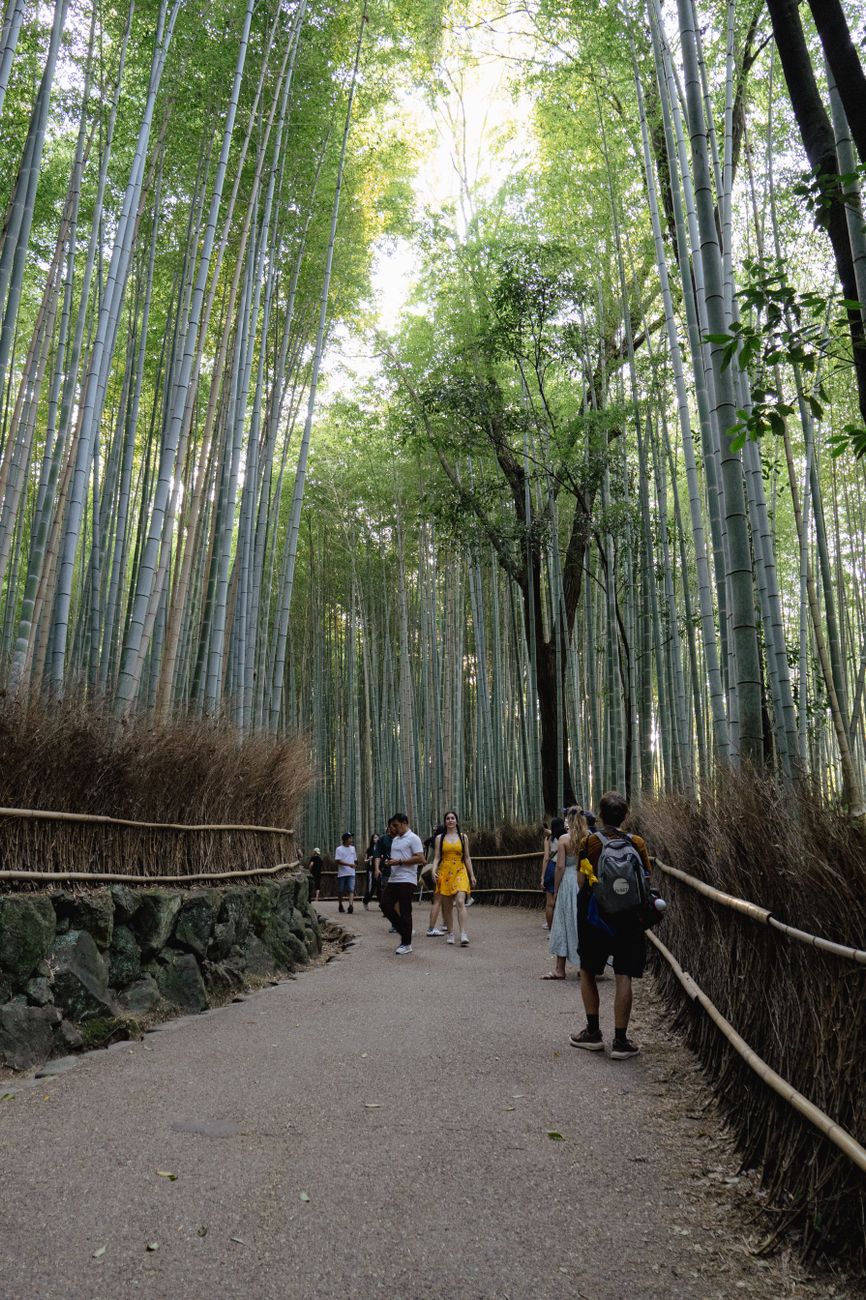
In his seminal work In Praise of Shadows, Jun'ichirō Tanizaki reflected upon the peculiar quality of light that Japanese domestic architecture seems specifically constructed to nurture. Unlike the Western ambition to illuminate every corridor with surgical clarity, the classic Japanese pavilion retreats from brilliance. In the mountain villages flanking Kyoto's northern ridges, this aesthetic is not a dead intellectual relic—it is the living tempo of everyday presence.
1. The Scent of Cedar and Morning Moisture
Ascending the moss-covered steps of Kurama at daybreak, moisture hangs thick under towering cryptomeria trunks. The footsteps of pilgrims are muffled by damp needles. Here, luxury is stripped of brass fixtures and gilded cornices; it exists solely in the pristine chill of mountain air and the resonance of a distant bronze bell reverberating down the valley.
We halted at a hillside pavilion whose cypress veranda had been darkened by a century of mountain rain and bare soles. Inside, sliding paper shōji screens diffused daylight into a gentle amber wash. There was no background music, no frantic notifications—only the hiss of water warming over charcoal in a heavy cast-iron kettle.
“To understand Japanese hospitality is to understand that true attention is silent. The host does not announce care; they arrange space so that worry evaporates on its own.”
2. The Ritual of Gyokuro
In the quiet district of Uji, we sat with a fifth-generation tea master. Watching the slow infusion of shaded gyokuro leaves at precisely 60 degrees Celsius reveals how travel can recalibrate perception. The first pour yields barely a few drops, yet that concentrated elixir delivers an umami richness that lingers on the palate for minutes.
Traveling in this manner requires abandoning the compulsion to view every temple listed in guidebooks. One temple experienced with full presence over four hours yields far more enduring nourishment than ten visited in a blur of camera shutters.
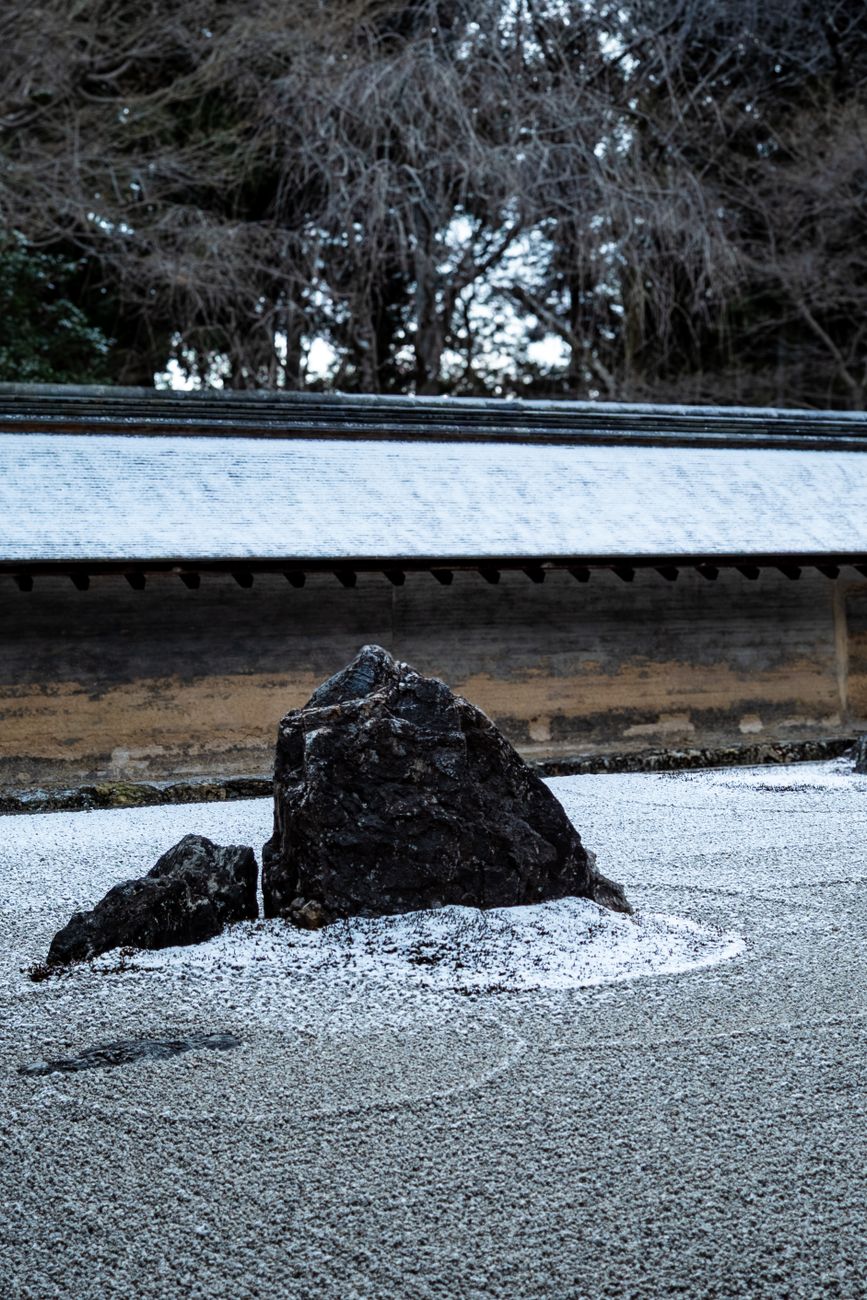
3. Practical Recommendations for the Discerning Traveler
- Best Season: Mid-November for autumn foliage or late May for lush green maple leaves (ao-momiji) with fewer travelers.
- Accommodation Ethos: Opt for family-operated ryokans along the Nakasendo trail rather than international high-rise hotels.
- Packing Philosophy: Pack durable slip-on leather footwear to effortlessly adhere to temple interior etiquette.
Curated by 111111 Travel Journal
For custom itinerary planning, email [email protected]