Wind and Granite: A Trekker's Odyssey at World's End
Facing katabatic winds, glacial calving, and the humbling scale of South America's most elemental topography.
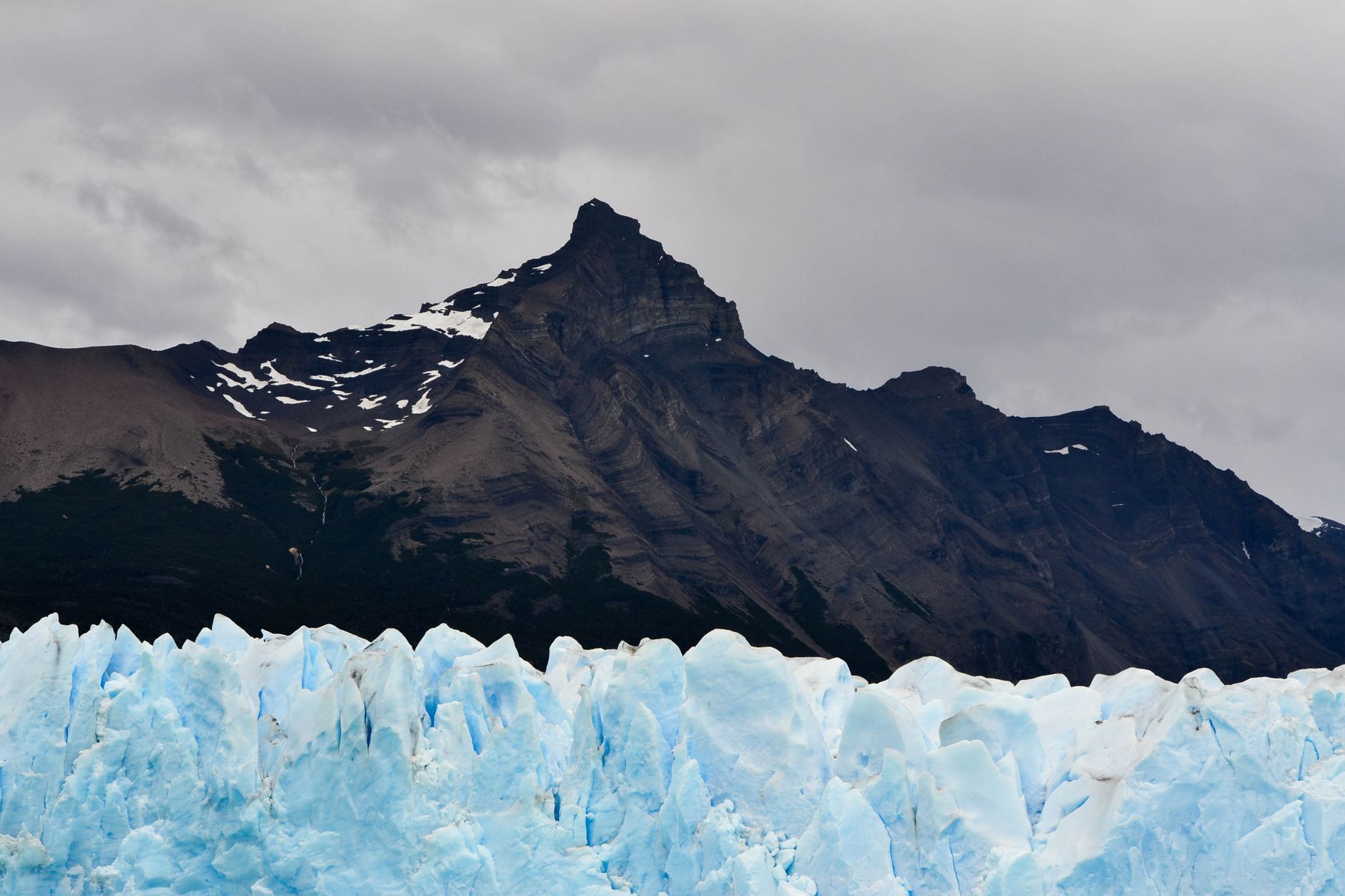
Patagonia is less a geographical boundary than a state of atmospheric humility. The moment one steps onto the wind-scoured plains of the Magallanes region, weather ceases to be small talk; it becomes the primary protagonist of your expedition. Here, winds born over the open Pacific accelerate across the Southern Patagonian Ice Field, battering the sheer granite towers with relentless ferocity.
1. The Towers in the Twilight
Setting out under a 4:00 AM ink-black sky toward the Mirador Las Torres, our headlamps picked out ice crystals clinging to moraine boulders. As the first dawn rays struck the eastern faces of the granite spires, the stone ignited in an incandescent orange hue. Below, the glacial tarn reflected the spectacle in glassy turquoise calm.
Such moments demonstrate the essential paradox of wilderness: extreme roughness paired with fragile, evanescent beauty. Within twenty minutes, sleet had rolled over the ridge and erased the spires entirely, reminding every trekker that nature grants views strictly on its own terms.
“In Patagonia, one does not conquer the mountain; one is merely tolerated by the sky for a few quiet heartbeats.”
2. Sustainable Stewardship and Estancia Living
Beyond the national park boundaries, pioneering conservation trusts and historic sheep estancias have pivoted toward regenerative tourism. At Estancia Cerro Guido, we observed how local gauchos have transformed their historic techniques into conservation partnerships, tracking puma populations with trail cameras rather than rifles.
Gathering around an open wood-fired asado in an old shearer's cottage, eating slow-roasted lamb seasoned simply with salt and wild herbs, the conversation turned to the profound quiet that draws people to this remote frontier. There are no cellular masts here. Evening entertainment consists of observing the Southern Cross constellation glittering through unpolluted air.
3. Field Notes for Voyagers
- Optimal Window: December through March provides the warmest temperatures, though wind velocities remain formidable.
- Equipment Advice: Invest in three-layer technical hardshell outerwear; standard umbrellas are useless against horizontal squalls.
- Logistics: Connect via Santiago or Buenos Aires down to Punta Arenas or El Calafate, allowing at least two flex days for weather adjustments.
Curated by 111111 Travel Journal
Inquire about our private Patagonian routes: [email protected]